
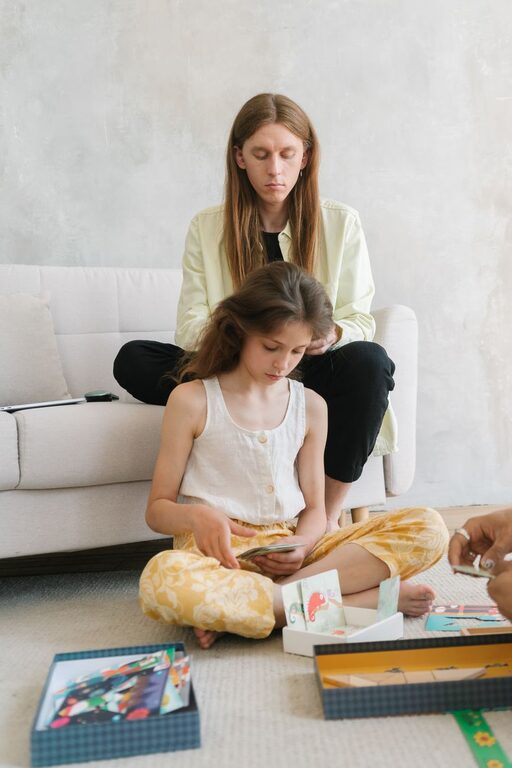
Family game night is a simple way to spend quality time together without leaving home. Whether your family enjoys strategy games, silly challenges, puzzles, or creative activities, a little planning can turn an ordinary evening into a favorite tradition.
The best game nights are not about winning every round. They are about laughing, talking, and giving everyone a chance to join in. With the right mix of games, snacks, and flexibility, you can create an evening that works for toddlers, school-age children, teens, and adults.
Choose a Game Night Theme
A theme can make the evening feel special, even if you are playing games you already own. Pick a theme that matches your family’s interests and add a few simple decorations, snacks, or activities.
Classic Game Night
Bring out familiar favorites such as board games, card games, and puzzles. Ask each family member to choose one game, then play a few short rounds. This option works well when everyone wants variety.
Around the World
Choose games inspired by different countries or regions. You can serve small snacks from several places, play music from around the world, and look up a few interesting facts between games.
Pajama Game Night
Keep the evening relaxed by letting everyone wear pajamas or comfortable clothes. Set up blankets and pillows in the living room, then choose easy games that do not require a formal table.
Game Show Night
Create your own family game show with trivia questions, word challenges, and quick competitions. One person can act as the host, or family members can take turns leading each round.
Mystery Night
Hide clues around the house and create a simple mystery for everyone to solve. The story does not need to be complicated. A missing snack, hidden toy, or secret message can be enough to get the game started.
Pick Games for Different Ages
A successful family game night gives everyone a way to participate. If there is a large age range, choose games with simple rules and optional challenges for older players.
For Younger Children
Look for games that involve matching, colors, shapes, counting, or taking turns. Short games are often best because younger children may lose interest during long rounds.
Good choices include:
– Picture matching games
– Simple memory games
– Color and counting games
– Beginner-friendly card games
– Cooperative games with a shared goal
For Older Children and Teens
Older children may enjoy games that require planning, storytelling, teamwork, or quick thinking. Let them help explain the rules or lead a round. Giving them responsibility can make them feel more involved.
Try:
– Word association games
– Drawing and guessing games
– Strategy board games
– Trivia challenges
– Puzzle races
– Team-based card games
For the Whole Family
When ages vary, cooperative games can be especially helpful. Instead of competing against one another, everyone works toward the same goal. You can also create teams with a mix of ages so younger players have support without feeling left out.
Try No-Equipment Games
You do not need a large collection of board games to enjoy family game night. Many entertaining games use only paper, pencils, or household objects.
Charades
Write simple actions, animals, jobs, or movie titles on slips of paper. Players take turns acting out a word without speaking while the rest of the group guesses.
Categories
Choose a category, such as fruits, sports, animals, or things found in a kitchen. Go around the room and have each person name something that belongs in the category. A player is out when they repeat an answer or cannot think of one.
Twenty Questions
One person thinks of a person, place, animal, or object. The others ask questions that can be answered with yes or no until someone guesses the answer.
Drawing Challenge
Give everyone paper and a pencil. Choose a subject, set a short time limit, and compare the drawings at the end. Make the activity playful rather than competitive by offering fun awards such as “most colorful” or “best use of imagination.”
Family Trivia
Create questions about family memories, favorite foods, hobbies, pets, or funny moments. Keep the questions positive and make sure everyone has a chance to answer.
Add a Creative Challenge
A creative activity can break up traditional games and give family members a chance to show their personalities. Choose one activity that takes 15 to 30 minutes.
Ideas include:
– Build the tallest tower with blocks or cups
– Make a paper airplane and test how far it flies
– Create a family comic strip
– Design a new board game
– Build a blanket fort
– Make a sculpture from recyclable materials
– Write and perform a short commercial for a household item
You can display the finished creations or take pictures to remember the evening. Younger children may enjoy the building process, while older children can help with design and storytelling.
Plan Easy Snacks
Simple snacks keep everyone comfortable without taking attention away from the games. Choose foods that are easy to serve and do not create a lot of mess.
Consider setting out:
– Popcorn in small bowls
– Fruit slices
– Vegetable sticks with dip
– Crackers and cheese
– Mini sandwiches
– Pretzels
– Cookies
– Lemonade or sparkling water
For a themed night, give snacks playful names that match the games. You can also let each family member choose one snack for the menu. Keep drinks in cups with lids when possible, especially near game pieces and cards.
Keep the Rules Friendly
Rules help games run smoothly, but they should not make the evening stressful. Before starting, explain the most important rules and answer questions. For longer games, consider playing a practice round so everyone understands how it works.
A few helpful guidelines include:
– Take turns explaining rules
– Avoid making fun of mistakes
– Give younger players extra time
– Keep score only if it adds enjoyment
– Allow short breaks between games
– Stop a game if the group is no longer having fun
If one game is not working, switch to another. Family game night should feel flexible, not like a schedule everyone must follow.
Create a Simple Game Night Schedule
A loose plan can help the evening move along without feeling too formal. For example:
- Choose snacks and settle in.
- Play a short warm-up game.
- Try the main board or card game.
- Take a movement or snack break.
- Finish with a creative challenge or guessing game.
Aim for two or three main activities rather than trying to fit in everything. Leaving some time for conversation is just as important as playing.
Make It a Regular Tradition
Family game night does not need to happen every week to become meaningful. Choose a schedule that works for your household, such as the first Friday of each month or one evening during school breaks.
Let different family members host the event. The host can select the theme, choose a game, or create a snack. Rotating this role keeps the tradition fresh and gives everyone a chance to contribute.
The most memorable game nights often include a mix of familiar favorites and new ideas. Keep the focus on spending time together, celebrate good sportsmanship, and allow plenty of room for laughter. With a few games and an open attitude, your home can become the perfect place for a fun family night.