
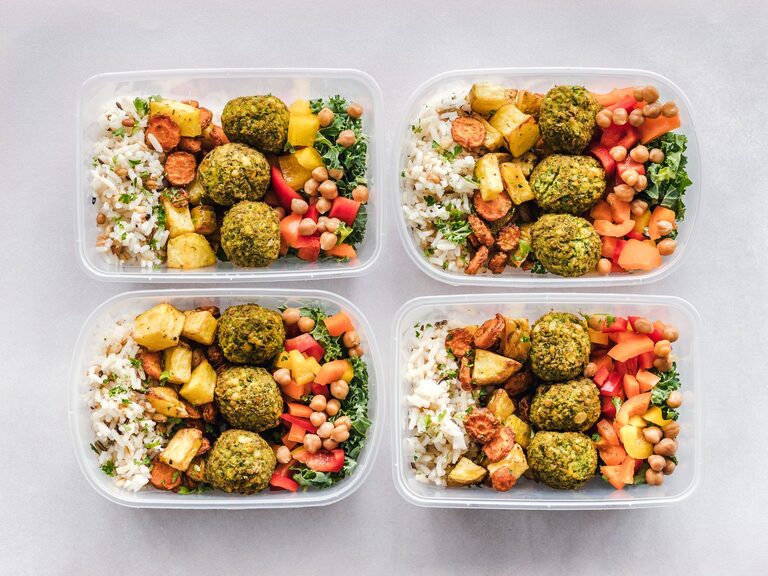
Planning balanced meals does not have to mean following a strict schedule, counting every ingredient, or cooking something completely different every night. A simple plan can help you make everyday food choices with less effort and more confidence.
The goal is to create meals with a useful mix of foods while leaving room for personal preferences, convenience, and enjoyment. With a few flexible habits, meal planning can become a helpful routine instead of another task on your list.
Start with a simple meal formula
A balanced meal often includes several types of food that work well together:
– A source of protein
– Vegetables or fruit
– A grain or other carbohydrate
– A source of healthy fat
– A drink, such as water or milk, if desired
You do not need to include every item perfectly at every meal. Think of this list as a guide rather than a rulebook.
For example, a simple dinner could include roasted chicken, brown rice, green beans, and a small amount of olive oil in the cooking. A vegetarian option might include black beans, corn, avocado, and a whole grain tortilla. A quick breakfast could be oatmeal with yogurt, berries, and nuts.
This basic formula gives you a starting point when you are unsure what to prepare.
Use the plate method
The plate method is an easy way to picture a balanced meal without measuring everything. Begin by filling about half of your plate with vegetables or fruit. Use the remaining space for a protein food and a grain or starchy food.
This approach is flexible. You might serve:
– Roasted vegetables with salmon and potatoes
– A grain bowl with tofu, brown rice, cucumber, and avocado
– Whole grain pasta with tomato sauce, turkey meatballs, and a side salad
– A baked potato topped with beans, cheese, and steamed broccoli
Portion sizes can vary based on appetite, preferences, and the meal itself. The purpose is simply to include variety and avoid relying on only one type of food.
Plan meals around foods you already enjoy
A meal plan is more likely to work when it includes familiar foods. Instead of searching for a long list of new recipes, begin with meals your household already likes.
Make a short list of:
– Three easy breakfasts
– Three simple lunches
– Four or five dinners
– A few snacks or quick additions
Then repeat these meals as often as you like. Repeating favorite recipes saves time and makes grocery shopping easier. You can add variety by changing one part of the meal, such as using a different vegetable, grain, sauce, or seasoning.
For example, leftover roasted vegetables can be used in a grain bowl one day and added to a wrap the next.
Choose a planning method that fits your week
There is no single correct way to plan meals. Choose the method that feels manageable.
Plan every meal
This works well if you enjoy structure and have a predictable schedule. Write down breakfast, lunch, dinner, and snacks for each day.
Plan only dinners
For many people, planning dinner is enough. Breakfast and lunch can come from a short list of simple options, leftovers, or convenient foods.
Plan by meal type
Instead of assigning meals to specific days, choose a few options for each category. For example:
– Monday or Tuesday: soup or a slow cooker meal
– Wednesday or Thursday: tacos or grain bowls
– Friday: pizza, sandwiches, or another easy favorite
– Weekend: a meal that takes more time
This gives you structure without requiring a detailed calendar.
Build a flexible grocery list
A useful grocery list can be organized by food group rather than by recipe. This makes it easier to substitute items and use what is available.
Consider choosing:
– Two or three vegetables
– Two fruits
– Two protein options
– One or two grains or starchy foods
– A few dairy or dairy free choices
– Ingredients for sauces, herbs, or seasonings
– Convenient foods for busy days
Fresh, frozen, canned, and shelf stable foods can all have a place in a balanced meal plan. Frozen vegetables can save preparation time, while canned beans and fish can make quick meals easier. Choose products that fit your preferences and check labels when you want to compare options.
Before shopping, look through your kitchen. Using foods you already have can reduce waste and keep your grocery bill more manageable.
Prepare ingredients, not necessarily full meals
Meal preparation does not have to mean cooking every meal in advance. Often, preparing a few ingredients is enough.
Try setting aside 30 to 60 minutes to:
– Wash and cut vegetables
– Cook a batch of rice, pasta, or another grain
– Prepare beans, eggs, chicken, or another protein
– Make a simple dressing or sauce
– Portion snacks into easy to reach containers
– Store leftovers in clear containers
Once these ingredients are ready, you can combine them in different ways throughout the week. This approach provides flexibility and helps prevent meals from feeling repetitive.
If you have limited time, choose just one preparation task. Chopping vegetables or cooking one grain can still make the next few meals easier.
Keep quick options on hand
Busy days are a normal part of life, so a good meal plan should include convenient choices. Keeping a few reliable foods available can reduce the temptation to skip meals or make decisions when you are tired.
Useful options may include:
– Whole grain bread or tortillas
– Eggs
– Canned beans
– Frozen vegetables
– Prewashed salad greens
– Yogurt
– Fruit
– Canned tuna or salmon
– Hummus
– Nuts or seeds
– Soup with simple ingredients
These foods can be combined into fast meals such as scrambled eggs with toast and fruit, a bean and cheese quesadilla with salsa, or a salad topped with tuna and whole grain crackers.
Make room for flexibility
Unexpected plans, changing appetites, and busy schedules can affect your meal plan. A flexible approach helps you adjust without feeling that you have failed.
Keep a few backup meals available for evenings when cooking is not realistic. You might use leftovers, assemble sandwiches, heat a frozen meal, or order food and add a simple side such as fruit or a salad.
It can also help to plan only three or four dinners and leave the remaining nights open. This gives you room to use leftovers or change plans.
Balanced eating is about patterns over time, not about making every meal perfect. One less planned meal will not undo your routine.
Review what worked
At the end of the week, take a few minutes to notice what was helpful and what was difficult. Ask yourself:
– Which meals were easiest to prepare?
– Which foods were left unused?
– Did I plan too many recipes?
– Were there enough quick options?
– What would make next week simpler?
Use the answers to adjust your next plan. If a recipe took too long, save it for a quieter day or replace it with something easier. If vegetables were forgotten, keep them visible and ready to use. If leftovers were not appealing, plan smaller batches.
The best meal plan is one that fits your real life. Start with a simple formula, keep your favorite foods in rotation, prepare a few flexible ingredients, and allow room for convenience. With practice, balanced meals can become easier to plan and more enjoyable to eat.