
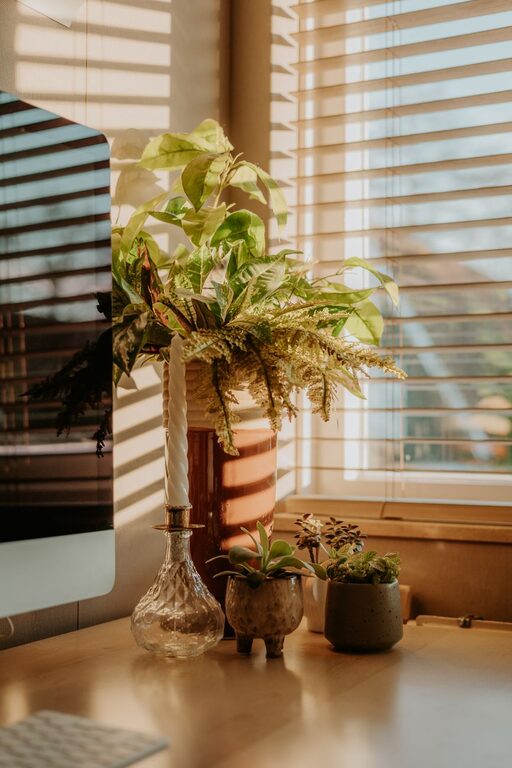
Working from home can be more enjoyable when your workspace feels calm, comfortable, and inviting. A relaxing home workspace does not need to be large or expensive. With a few thoughtful changes, you can create an area that supports focus while helping you feel settled throughout the day.
The key is to balance practical needs with a peaceful atmosphere. Your workspace should have enough light, a comfortable setup, and easy access to the items you use most. At the same time, it should avoid unnecessary clutter and distractions.
Choose the Right Location
Start by choosing the best available spot in your home. If you have a separate room, you can dedicate it to work. If not, a corner of a bedroom, living room, or dining area can work just as well.
Look for a location with:
- Good natural or artificial light
- Enough room for your desk and chair
- Limited noise and foot traffic
- Convenient access to power outlets
- A clear separation from areas used for rest or entertainment
A workspace near a window can feel bright and refreshing, but avoid placing your screen directly in front of strong sunlight. Glare can make it harder to see your display and may make the area less comfortable. Position your desk to the side of the window when possible.
If noise is a concern, use a quiet corner or add a soft rug, curtain, or fabric wall hanging to create a more comfortable atmosphere.
Keep the Layout Simple
A relaxing workspace should be easy to move around and easy to maintain. Begin with the essentials: a desk, a supportive chair, adequate lighting, and the equipment needed for your daily tasks.
Avoid filling the area with furniture that does not serve a clear purpose. A crowded layout can make the room feel busy before your workday even begins.
Try these simple layout ideas:
- Place your desk where you have a clear view of the room.
- Keep frequently used items within easy reach.
- Leave open space around your chair.
- Use a small side table or shelf instead of a large storage unit.
- Keep cords together and away from walking areas.
If your workspace is part of another room, use a rug, bookshelf, or folding screen to define the work area. This can make the space feel more intentional without requiring a full renovation.
Choose Comfortable, Practical Furniture
Comfort is an important part of a relaxing workspace. Choose a desk that gives you enough room for your computer, notebook, and other daily essentials. A surface that is too small can quickly become cluttered, while one that is too large may take up more room than necessary.
Your chair should allow you to sit comfortably for extended periods. Look for a chair with a supportive back, a stable base, and an adjustable height if possible. Your feet should rest comfortably on the floor, and your shoulders should feel relaxed while you work.
A footrest, seat cushion, or small pillow can add comfort without replacing your main furniture. However, avoid adding too many accessories if they make the chair feel crowded.
Consider furniture with more than one use. A compact desk with drawers, a wall-mounted shelf, or a storage ottoman can help save space and keep the room organized.
Use Lighting to Set the Mood
Lighting can change the entire feel of a workspace. Natural light is helpful during the day, but a good combination of light sources makes the room more comfortable from morning to evening.
Use a mix of:
- Natural light from a nearby window
- A desk lamp for focused tasks
- Soft ambient lighting for the surrounding area
- Warm accent lighting for a cozy evening feel
A desk lamp with an adjustable arm lets you direct light where you need it. Choose a shade that reduces glare and position the lamp so it does not reflect directly on your screen.
For a calmer atmosphere, consider a lamp with a warm-toned bulb. If you prefer a brighter, more alert setting during the day, use a neutral white bulb and switch to warmer lighting later.
Reduce Visual Clutter
Clutter can make it difficult to settle into work. You do not need a completely empty desk, but every item should have a place.
Begin by removing items you rarely use. Then group similar supplies together in drawers, boxes, or small containers. Keep your daily essentials visible, and store everything else nearby but out of the way.
Helpful storage options include:
- Desktop trays for papers
- Small containers for pens and accessories
- Wall shelves for books and decorations
- Drawer organizers for cables and small equipment
- File boxes for documents
At the end of each workday, take a few minutes to clear the main surface. Put away loose items, return supplies to their containers, and prepare the desk for the next morning. This simple habit can make the workspace feel more welcoming.
Add Natural Elements
Natural materials and greenery can make a workspace feel softer and more connected to the outdoors. A small plant on a shelf or desk can add color without taking up much space. If caring for a live plant is not convenient, choose a low-maintenance variety or use dried flowers and branches.
You can also add natural touches through:
- Wooden organizers
- Woven baskets
- Stone or ceramic accessories
- Cotton or linen textiles
- Nature-inspired artwork
Choose only a few natural elements so the area remains tidy. A simple combination of wood, greenery, and soft fabric can create warmth without making the workspace feel overly decorated.
Choose Calming Colors and Textures
Color has a strong effect on how a room feels. Soft neutrals, muted greens, gentle blues, and warm earth tones can create a calm background for work. You do not need to repaint the entire room; a small change can make a difference.
Try adding color through:
- A desk mat
- A wall print
- A cushion or throw
- Storage boxes
- A small area rug
Textures also help make a space feel comfortable. A woven basket, soft rug, or fabric notice board can balance the hard surfaces of a desk and computer. Keep patterns simple if you want the space to feel especially peaceful.
Personalize the Space Thoughtfully
A relaxing workspace should reflect your personality, but too many personal items can become distracting. Select a few objects that make you feel comfortable or inspired, such as a favorite photograph, a small piece of artwork, or a meaningful keepsake.
You might also create a small inspiration board with images, notes, or simple reminders. Keep it organized and edit it occasionally so it remains useful rather than becoming another source of visual clutter.
Avoid placing items that encourage you to switch tasks constantly. Entertainment devices, unrelated paperwork, and excessive decorations are better stored elsewhere when possible.
Create a Simple Workday Routine
The atmosphere of your workspace matters, but your habits matter too. A consistent routine can help you transition into work and leave it behind at the end of the day.
Before starting, open a window if the weather allows, turn on your preferred lighting, and clear the desk. During the day, take short pauses to stand, stretch, refill your water, or look away from the screen.
When work is finished, close unnecessary tabs, put away supplies, and switch off your task lighting. If your workspace is in a shared room, use a basket or cabinet to store work items until the next day.
Refresh the Workspace Over Time
Your ideal workspace may change as your needs change. Every few months, review the layout and ask yourself what is working well and what feels inconvenient.
You may need to adjust the lighting, replace an uncomfortable chair, improve storage, or remove items that have accumulated. Small updates can keep the space comfortable without requiring a major makeover.
A relaxing home workspace is built through simple, practical choices. By combining comfort, clear organization, pleasant lighting, and a few personal touches, you can create an area that feels calm, useful, and easy to enjoy every day.