
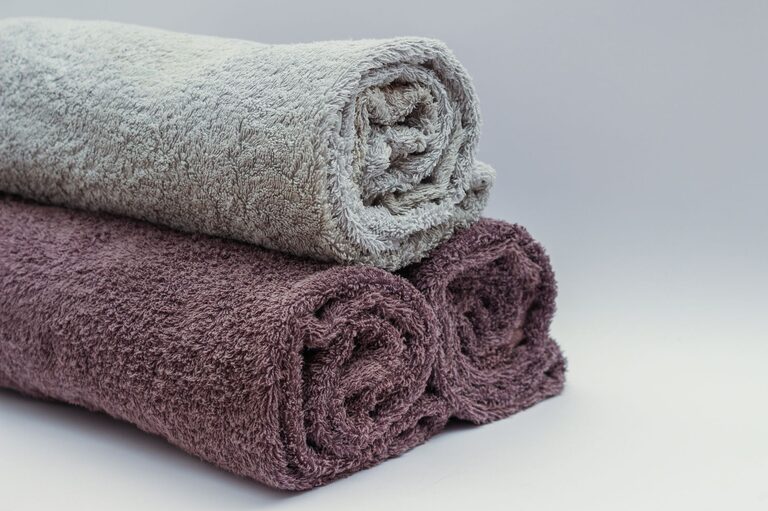
Towels are used every day, so it is normal for them to collect moisture, body oils, detergent residue, and odors over time. With the right washing and drying routine, you can keep them fresh, soft, absorbent, and comfortable without replacing them often.
Small changes make a noticeable difference. Washing towels properly, avoiding product buildup, drying them completely, and storing them with enough airflow can all help maintain their quality.
Wash Towels Separately
Whenever possible, wash towels separately from clothing. Towels produce lint, especially when they are new, and their thick fabric can be rough on lighter garments. Washing them together can also make it harder for all items to rinse and dry evenly.
Separating towels by color is helpful as well. Keep white towels apart from dark or brightly colored towels to reduce the chance of color transfer. If you have new towels, wash them separately for the first few cycles because they may release extra lint or dye.
Avoid overloading the washing machine. Towels need plenty of room to move through the water. A crowded drum can prevent proper cleaning and rinsing, leaving towels stiff, dull, or musty.
Use the Right Amount of Detergent
More detergent does not always mean cleaner towels. Excess detergent can remain trapped in thick fibers, creating a coating that makes towels feel stiff and less absorbent. It can also contribute to lingering odors.
Follow the instructions on your detergent label and consider using slightly less if your towels feel coated after washing. If you have a high-efficiency washing machine, use a detergent designed for that type of appliance.
For heavily soiled towels, avoid simply adding extra detergent. Instead, use the recommended amount and select an appropriate wash cycle. A second rinse can help remove leftover soap when towels feel rough or have a strong detergent smell.
Skip or Limit Fabric Softener
Fabric softener can make fabrics feel smooth, but it may leave a waxy coating on towel fibers. Over time, this coating can reduce absorbency, making towels less effective at drying hands and skin.
If you enjoy using fabric softener, use it occasionally and follow the product instructions carefully. For the softest and most absorbent towels, many people choose to leave it out of their regular towel wash.
Dryer sheets can have a similar effect by leaving a light coating on the fibers. Use them sparingly, or skip them when washing towels.
Add a Careful Rinse Routine
If towels have become stiff, dull, or musty, product buildup may be part of the problem. A thorough rinse can help remove residue. Check your washing machine settings and use an extra-rinse option if available.
Some households use a small amount of plain white vinegar in the rinse compartment as an occasional alternative to fabric softener. It may help reduce residue and odors. Never mix vinegar with bleach or other cleaning products, and always check your washer and towel care instructions before using it.
Vinegar should not be treated as a replacement for proper washing. It is most useful as an occasional laundry aid, while regular care should focus on the right detergent amount, a suitable wash cycle, and complete drying.
Choose the Correct Water Temperature
The best water temperature depends on the towel fabric and the care label. Warm or hot water can be useful for removing oils and buildup, while cold water is often suitable for everyday washing and can help reduce energy use.
Always check the label before choosing a temperature. Some towels may shrink, fade, or lose their softness when washed too hot. For most cotton towels, a warm wash is a practical choice, but the manufacturer’s instructions should come first.
Dry Towels Completely
Moisture is one of the main causes of musty-smelling towels. After washing, remove towels from the machine promptly rather than leaving them in the drum for several hours.
Shake each towel before placing it in the dryer or on a drying line. This helps separate the fibers and can reduce creases. If using a dryer, avoid packing it too tightly. Towels need room for warm air to circulate.
Dry towels until they are fully dry, but avoid excessive heat whenever possible. High heat can weaken fibers over time and may cause shrinkage. A medium setting is often a good balance, especially when combined with a complete drying cycle.
For line drying, spread towels out instead of folding them over a crowded rack. Good airflow is important. If towels become stiff when air-dried, place them in the dryer for a few minutes afterward to loosen the fibers.
Clean the Washing Machine and Dryer
A clean appliance supports fresher laundry. Washing machines can develop detergent residue, lint, and mildew in areas such as the door seal, detergent drawer, and drain filter.
To keep the machine in good condition:
– Wipe the door seal and detergent drawer regularly.
– Remove lint and debris from the drain filter as directed.
– Run the machine’s cleaning cycle when recommended.
– Leave the door or lid open after a wash to let the drum dry.
– Avoid leaving wet laundry inside for long periods.
The dryer also needs attention. Clean the lint filter after every load, and check the vent or duct according to the manufacturer’s maintenance guidance. A clear lint filter improves airflow and helps towels dry more efficiently.
Store Towels With Airflow
Even clean towels can develop an odor if they are stored while slightly damp or packed tightly in a closed space. Make sure towels are completely dry before folding them.
Store them in a dry, well-ventilated cabinet or linen closet. Avoid filling the shelf so tightly that air cannot move between the stacks. If a closet tends to feel humid, leave space around the shelves or improve ventilation in the room.
Instead of keeping one large stack, rotate towels regularly. Place freshly washed towels at the back and use the older ones first. This helps prevent some towels from sitting unused for long periods.
Use Towels Properly Between Washes
A towel can stay fresher between washes when it is allowed to dry fully after each use. Hang it spread out on a towel bar or wide rack rather than leaving it bunched up on the floor, a hook, or the side of a hamper.
Do not share personal towels if they remain damp for long periods, and avoid using the same towel for cleaning surfaces and drying yourself. Separate towels for hands, body, and household cleaning can help keep laundry more manageable.
Towels used at the gym, pool, or beach may need washing sooner because they can collect more moisture, sweat, sand, or other residue.
Know When to Replace Towels
Good care can extend the life of towels, but every towel eventually wears out. Consider replacing a towel when it has persistent odors, thinning areas, frayed edges, poor absorbency, or a rough texture that does not improve after washing.
For a longer-lasting towel collection, choose durable fabrics, follow the care label, and avoid washing at unnecessarily high temperatures. A simple routine of prompt washing, careful drying, and proper storage can keep towels fresh and fluffy for many years.