
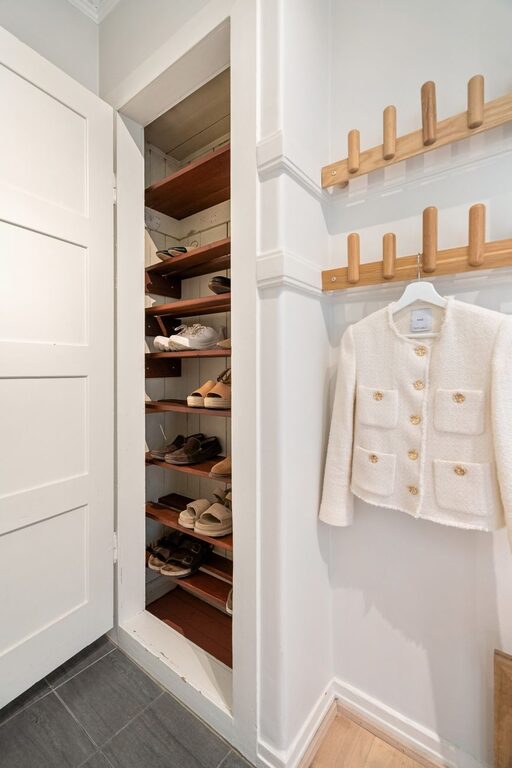
Small spaces can feel crowded quickly, but limited square footage does not mean you have to live with clutter. The right storage solutions can make a room feel calmer, more useful, and easier to maintain. The key is to use overlooked areas, choose furniture that serves more than one purpose, and create a clear home for everyday items.
Here are practical small space storage ideas that work in bedrooms, living rooms, kitchens, bathrooms, entryways, and home offices.
Start With a Storage Plan
Before buying bins or shelves, take a quick look at what you need to store. Group similar items together and decide how often you use them.
Keep frequently used items within easy reach. Store seasonal or occasional items in higher, lower, or less accessible spaces. If something has no clear purpose or has not been used in a long time, consider donating or recycling it.
A simple storage plan should answer three questions:
– What needs to be stored?
– Where is the most convenient place to keep it?
– What type of container or furniture will fit the space?
Planning first helps prevent a common problem: buying attractive organizers that do not solve the real storage issue.
Use Vertical Space
When floor space is limited, look up. Walls often offer valuable storage space without making a room feel smaller.
Install Wall Shelves
Wall-mounted shelves can hold books, plants, framed photos, baskets, and daily essentials. Use narrow shelves in hallways or above desks, and deeper shelves where you need more capacity.
For a cleaner look, place smaller items in baskets or matching boxes. This reduces visual clutter while keeping everything easy to find.
Add Pegboards and Hooks
Pegboards are useful in kitchens, offices, craft areas, and utility spaces. You can adjust the hooks and shelves as your needs change. Wall hooks are also helpful for coats, bags, hats, towels, and cleaning tools.
In a small entryway, a row of hooks can replace a bulky coat rack. In a kitchen, hooks under a shelf can hold mugs or cooking utensils.
Use the Back of Doors
The back of a door is often unused. Over-the-door organizers can store shoes, toiletries, cleaning supplies, pantry items, or accessories.
Choose a slim organizer for narrow doors, and check that the door can still close properly. Clear pockets are especially useful because they make it easy to see what is inside.
Choose Furniture With Built-In Storage
Furniture takes up valuable floor space, so choose pieces that do more than one job whenever possible.
Storage Ottomans
A storage ottoman can serve as a footrest, extra seating, and a place to store blankets, games, or magazines. In a bedroom, use one at the foot of the bed for shoes or seasonal clothing.
Beds With Drawers
The space under a bed is ideal for items that do not need to be accessed every day. Choose a bed with built-in drawers, or use flat containers that slide underneath.
Label each container so you do not have to pull everything out to find one item. Keep heavier objects in sturdy bins and avoid overfilling them.
Benches and Window Seats
A bench with a hinged seat can provide both seating and hidden storage. It works well in an entryway, dining area, bedroom, or beneath a window.
Use the compartment for items such as shoes, bags, extra linens, or children’s toys. Add a cushion to make the bench more comfortable and inviting.
Nesting and Folding Furniture
Nesting tables, folding chairs, and drop-leaf tables provide flexibility without taking up permanent space. Store folding pieces behind a door, beside a cabinet, or under a bed when they are not needed.
Make Small Rooms Work Harder
Every room has areas that can be improved with thoughtful storage.
Bedroom
Use slim bedside tables with drawers or shelves instead of wide nightstands. Add hooks behind the bedroom door for robes, scarves, or bags.
Closet organizers can double the usable space by adding a second hanging rod, shelf dividers, or hanging compartments. Fold soft items such as sweaters and pajamas in drawers, and use vertical folding to make each item easier to see.
A small dresser can also function as a nightstand or entryway cabinet if its size and style fit the room.
Living Room
Choose a coffee table with a shelf or lift-up top. Store remote controls, books, blankets, and board games inside baskets or drawers.
Use the space beside a sofa for a narrow cabinet or tiered shelf. This small area can hold lamps, chargers, reading materials, or decorative items.
If you have a television, consider a media console with closed storage. Cabinets hide cables, electronics, and accessories while keeping the room looking tidy.
Kitchen
Use cabinet doors to store measuring spoons, pot lids, wraps, or cutting boards. A pull-out shelf can make deep cabinets easier to use, while shelf risers create a second level for plates and mugs.
Magnetic strips can hold small metal tools on a wall or inside a cabinet door. A rolling cart can provide extra workspace and storage, and it can be moved when you need more floor space.
Keep counters as clear as possible by storing appliances you rarely use in a cabinet or pantry. Everyday appliances can remain out if they are used regularly.
Bathroom
Install a slim shelf above the toilet or beside the sink for towels and toiletries. Use small bins inside cabinets to group hair products, cleaning supplies, and personal care items.
A wall-mounted cabinet can provide storage without taking up floor space. Over-the-door hooks are useful for towels and robes, while a narrow rolling cart can fit between a vanity and wall.
Use Corners and Awkward Areas
Corners are easy to overlook, but they can hold more than expected. A tall corner shelf can display books, plants, or baskets. In a kitchen, a corner cabinet organizer can make difficult-to-reach items more accessible.
The space under stairs can become a reading nook, coat area, pantry, or cabinet wall. Even a narrow gap between furniture and a wall can hold a slim rolling cart for kitchen, office, or bathroom supplies.
For awkward spaces, measure the width, depth, and height before shopping. A few inches can determine whether a storage piece is useful or frustrating.
Keep Storage Easy to Maintain
The best storage system is one that is simple to use. If putting something away takes too many steps, clutter will return quickly.
Follow these habits:
– Keep everyday items at eye level or within easy reach.
– Use clear labels on boxes and bins.
– Store similar items together.
– Leave a little extra room in drawers and containers.
– Choose containers that match the shape of the space.
– Review stored items once or twice a year.
Avoid filling every shelf and drawer completely. A small amount of open space makes it easier to put things away and find what you need.
Make Storage Look Intentional
Storage does not have to look purely practical. Matching baskets, coordinated boxes, and simple labels can make open shelving feel organized and attractive.
Use closed cabinets for visually busy items and open shelves for objects you enjoy seeing. Limit decorative pieces so they do not compete with useful storage.
A consistent color palette can also help a small room feel less crowded. When storage blends with the walls or furniture, the room often appears more spacious.
Final Thoughts
Effective small space storage is less about owning more organizers and more about making better use of the space you already have. Look to walls, doors, corners, and furniture with hidden compartments. Store items according to how often you use them, and choose solutions that are easy to maintain.
With a few thoughtful changes, even a compact room can become comfortable, functional, and much easier to keep organized.