
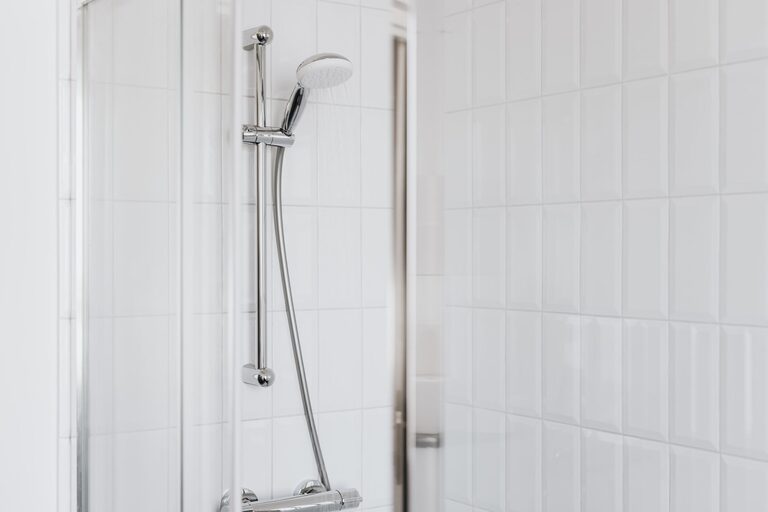
A minimalist bathroom is more than a room with fewer items. It is a space designed to feel calm, useful, and easy to maintain. By choosing practical fixtures, reducing visual clutter, and organizing everyday essentials, you can create a bathroom that feels open without sacrificing comfort.
You do not need a large budget or a complete renovation to get started. Small changes, such as clearing countertops, matching containers, and improving storage, can make a noticeable difference.
Start With a Clear Plan
Before buying new products or rearranging the room, decide what you want your bathroom to do. A minimalist setup should support your daily routine and make commonly used items easy to reach.
Ask yourself:
– Which items do I use every day?
– Which products are rarely used?
– What areas feel crowded or difficult to clean?
– Do I need more storage, better lighting, or fewer decorations?
– Which colors and materials make the room feel comfortable?
Take everything out of cabinets, drawers, and countertop containers. Group similar items together, such as hair care products, grooming tools, cleaning supplies, and spare toiletries. This gives you a clear view of what you own and makes it easier to remove duplicates or unused items.
Keep the products you use regularly. Store occasional items in a less visible location, and recycle or discard anything that is empty, expired, damaged, or no longer useful.
Choose a Simple Color Palette
A limited color palette helps a bathroom feel more peaceful and organized. White, cream, beige, soft gray, and light wood tones are popular choices because they reflect light and work well in many styles.
You do not need to use one color throughout the entire room. Instead, choose two or three main tones and repeat them across towels, storage containers, bath mats, and accessories.
For example:
– White walls with light wood shelves
– Soft gray tiles with black hardware
– Cream-colored textiles with natural woven baskets
– Pale green accents with warm neutral surfaces
Avoid using too many strong colors or competing patterns. A small accent color can add personality, but the room will look more cohesive when most items follow the same visual direction.
Keep the Countertop Mostly Clear
A clear countertop is one of the fastest ways to create a minimalist appearance. It also makes cleaning easier and gives the room a more spacious feel.
Keep only the items you use every day on the counter, such as hand soap or a toothbrush holder. Place these items on a small tray to create a defined area and prevent them from looking scattered.
Consider storing the following items in drawers or cabinets:
– Extra toiletries
– Hair styling tools
– Makeup
– Razors and grooming supplies
– Cleaning products
– Spare towels
If you do not have enough built-in storage, use a narrow shelf, wall-mounted cabinet, or small rolling cart. Choose storage that fits the room instead of adding large furniture that makes the space feel crowded.
Select Practical Storage
Good storage is central to a minimalist bathroom. The goal is not to hide everything at any cost, but to give every item a clear and convenient place.
Use Vertical Space
Wall-mounted shelves and cabinets make use of vertical space without taking up much floor area. A shelf above the toilet, beside the vanity, or near the shower can hold folded towels, baskets, or a few decorative items.
Keep open shelves lightly filled. Leave some empty space between objects so the area does not look overloaded.
Add Dividers to Drawers
Drawer dividers help keep small items organized. Separate toothbrushes, grooming tools, cosmetics, and personal care products into different sections. This prevents items from becoming mixed together and makes the contents easier to find.
Choose dividers that can be adjusted or removed. This allows the storage system to change as your needs change.
Use Matching Containers
Matching containers create a cleaner appearance, especially when products are stored in open shelves. Soap, shampoo, and lotion can be transferred into simple refillable bottles with clear labels.
Only transfer products when the containers are safe and suitable for the item. Keep important product information available, especially for items that require specific instructions.
Focus on Quality Essentials
Minimalism does not mean choosing the cheapest option or removing everything that makes the bathroom comfortable. It means selecting fewer items that work well and suit your routine.
Prioritize practical essentials such as:
– Soft, durable towels
– A well-fitting bath mat
– A comfortable shower curtain or glass screen
– Reliable hooks and towel bars
– A simple wastebasket
– Easy-to-clean soap and storage containers
When possible, choose materials that are durable and easy to maintain. Cotton towels, sealed wood, ceramic, glass, stainless steel, and washable fabrics can all work well when selected for the room’s conditions.
Avoid buying decorative accessories simply to fill empty spaces. Empty space is part of the minimalist design and can make useful features easier to notice.
Improve Lighting
Lighting has a major effect on how a bathroom looks and feels. A minimalist space benefits from bright, even lighting that supports daily tasks without creating harsh shadows.
Use natural light whenever possible. Keep windows clear and choose simple window coverings that provide privacy while allowing light into the room.
For artificial lighting, combine general room lighting with focused lighting near the mirror. A simple wall light or lighted mirror can make grooming tasks easier. Choose fixtures with a clean shape that match the rest of the bathroom hardware.
Warm or neutral light often creates a comfortable atmosphere. Make sure the lighting is bright enough for practical tasks, especially around the sink and mirror.
Choose Simple Fixtures and Accessories
A minimalist bathroom usually looks best when the main fixtures share a similar design. Faucets, cabinet handles, towel bars, hooks, and shower hardware do not need to be identical, but they should coordinate.
Common finishes include:
– Chrome for a bright, classic look
– Matte black for a strong modern contrast
– Brushed nickel for a soft, versatile finish
– Brass for a warmer decorative touch
Select one main finish and repeat it throughout the room. Too many different finishes can make a small bathroom look visually busy.
Accessories should be useful as well as attractive. A simple mirror, one plant that tolerates bathroom conditions, or a small piece of wall art can add character without creating clutter.
Create a Simple Cleaning Routine
A minimalist bathroom is easier to maintain when cleaning is built into your regular routine. Since fewer items are left on surfaces, you can wipe, sweep, and tidy the room more quickly.
Try this simple schedule:
Daily
– Wipe the sink and faucet
– Hang towels so they can dry
– Return products to their storage areas
– Remove visible hair or debris
Weekly
– Clean the mirror
– Wash the sink, toilet, and shower surfaces
– Launder towels and the bath mat
– Empty the wastebasket
– Check drawers and counters for misplaced items
Monthly
– Clean cabinet shelves and drawer organizers
– Review toiletries for empty or unused products
– Wash shower curtains or clean shower screens
– Dust vents, light fixtures, and high shelves
A regular reset keeps clutter from building up again and helps the space stay functional.
Avoid Common Minimalist Design Mistakes
Minimalism should make a bathroom more comfortable, not less useful. Avoid removing items that support your daily routine simply to create a sparse appearance.
Common mistakes include:
– Choosing storage that is attractive but difficult to access
– Leaving frequently used items too far from the sink or shower
– Using too many open shelves
– Selecting delicate materials that are hard to clean
– Adding decorations that take up valuable counter space
– Ignoring ventilation and moisture control
The best setup balances appearance with convenience. Every item should either serve a clear purpose or contribute meaningfully to the room’s atmosphere.
Build the Setup Gradually
You do not have to transform the entire bathroom in one weekend. Start with the most visible and frequently used area, such as the sink countertop. Remove unnecessary items, organize the remaining essentials, and observe how the space works for a few days.
Next, improve storage, update textiles, or replace mismatched containers. Small, thoughtful changes can create a lasting result without waste or unnecessary expense.
A minimalist bathroom should feel calm because it is organized around your needs. With a simple color palette, practical storage, clear surfaces, and a manageable cleaning routine, you can create a space that is attractive, comfortable, and easy to use every day.