
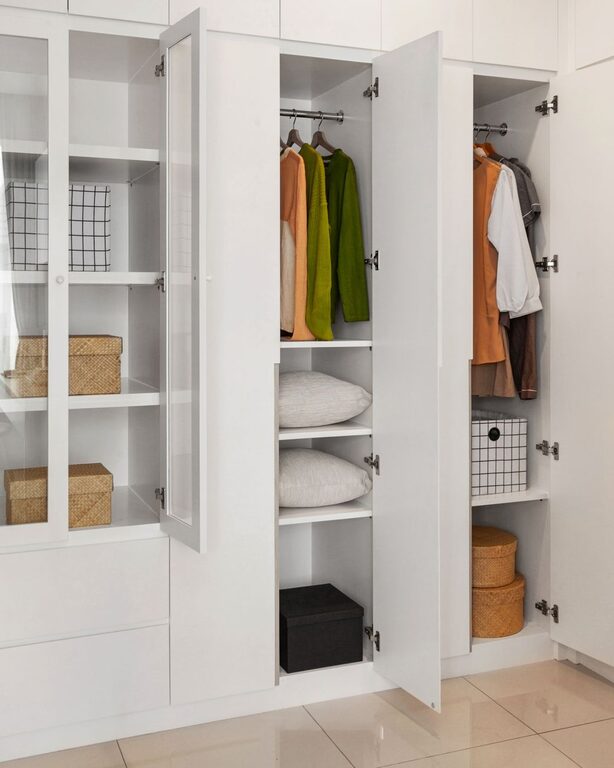
A tidy closet can make your daily routine easier, save time, and help you get more use from the clothes you already own. The key is not to create a perfect space once and forget about it. Instead, aim for a closet that is simple to use and easy to maintain.
With a few practical habits and storage improvements, you can keep clothing, shoes, and accessories organized without spending hours rearranging everything each week.
Start With a Fresh Look
Before adding bins, shelves, or organizers, take everything out of the closet. This gives you a clear view of the available space and prevents you from organizing items you no longer use.
As you remove each item, place it in one of four groups:
– Keep
– Donate or give away
– Repair or alter
– Recycle or discard
Try to make decisions based on your current lifestyle. If an item no longer fits, feels comfortable, or suits your routine, it may not need to stay in your closet. Clothing that has not been worn in a long time can also be a sign that it is ready to move on.
Be careful with items that need repairs. Set a deadline for fixing them, such as the end of the month. If the repair does not happen, reconsider whether the item belongs in your closet.
Group Similar Items Together
Once you have decided what to keep, group similar items in a way that makes sense to you. You might arrange clothing by type, season, color, or frequency of use.
A simple layout could include:
– Shirts and blouses
– Pants and skirts
– Dresses and jackets
– Workout clothing
– Sleepwear
– Sweaters
– Accessories
– Shoes
Grouping similar items makes it easier to find what you need and notice duplicates. If you regularly wear certain pieces together, you can also organize them near one another.
Choose one organizing method and keep it consistent. A closet arranged by clothing type is often easy to maintain, while a color-based system can make the space look neat and help you choose outfits quickly.
Make the Most of Available Space
Small closets often feel crowded because the available space is not being used efficiently. Look at the areas above, below, and behind your main hanging section.
Useful storage options include:
– A second hanging rod for shorter clothing
– Shelf dividers for stacks of sweaters or jeans
– Clear boxes for small accessories
– Under-shelf baskets for folded items
– Hooks for belts, scarves, or bags
– A shoe rack or hanging shoe organizer
– Storage bins for seasonal clothing
Use vertical space whenever possible. Tall shelves and stackable containers can help you store more without taking up additional floor space.
However, avoid filling every inch. Leave a little room between categories so you can remove and return items without disturbing the rest of the closet.
Choose Practical Hangers
Hangers have a surprisingly large effect on how organized a closet feels. Using one style of hanger creates a uniform appearance and can make better use of the hanging rod.
Slim hangers are useful when space is limited, while sturdy hangers are better for heavier coats, jackets, and knitwear. Avoid using wire hangers for items that can lose their shape.
Try to face all hangers in the same direction. After wearing an item, return it with the hanger facing the opposite way. At the end of a few months, you will have a simple visual guide to which pieces you actually use.
This method is not a strict rule, but it can help identify clothing that has been overlooked.
Keep Frequently Used Items Easy to Reach
The items you wear most often should be stored at eye level or near the front of the closet. Less frequently used pieces can go on higher shelves, in lower drawers, or in labeled containers.
For example, keep everyday shoes near the closet entrance and special occasion footwear in a less accessible area. Store seasonal clothing separately so it does not compete with the items you need right now.
A useful rule is to make daily items easy to grab and occasional items easy to identify. This reduces the chance that frequently used areas will become messy.
Fold Items the Right Way
Not every item needs to be hung. Folding can help protect clothing and create more space, especially for sweaters, T-shirts, pajamas, and casual pants.
Fold items into compact, even shapes and store them vertically when possible. A vertical arrangement allows you to see every item instead of removing a stack to reach something underneath.
Avoid overfilling drawers and shelves. When clothing is packed too tightly, it becomes difficult to put items away and easy to create wrinkles. Leave enough room to remove and return each piece comfortably.
For delicate sweaters, folding is usually better than hanging because it helps prevent stretching around the shoulders.
Use Labels and Simple Categories
Labels are especially helpful for storage bins, high shelves, and seasonal items. A label should be clear and short, such as “winter accessories,” “travel items,” or “formal clothing.”
You do not need to label every shelf. Use labels where they save time or prevent confusion. If several people share a closet, labels can also make it easier for everyone to follow the same system.
Keep categories broad enough to be practical. Too many small groups can make organizing feel complicated and make it harder to put things away.
Create a Home for Every Item
A closet stays organized when every item has a clear place to return to. This includes small items such as hats, belts, scarves, and bags.
If something is repeatedly left on a chair or the floor, the problem may be its storage location. Move it to a more convenient spot or add a simple hook, basket, or shelf.
The best organizing system is one that matches your habits. If a folded item never makes it into a drawer, an open shelf or basket may work better. Storage should make the right action easy.
Set a Short Daily Reset
A few minutes of maintenance can prevent a larger cleanup later. At the end of the day, return clothing to its proper place, hang up items that can be worn again, and move shoes or accessories off the floor.
You can also use a quick weekly reset to:
– Put away clean laundry
– Return misplaced items
– Straighten folded stacks
– Remove empty hangers
– Check for items that need cleaning or repair
This routine does not need to take more than 10 minutes. Small, regular resets are usually easier than waiting until the closet becomes difficult to use.
Review Your Closet Seasonally
At the start of each season, review what you are wearing and what you will need in the coming months. Move out-of-season items into labeled containers or higher storage areas.
Use this opportunity to check for clothing that is worn out, no longer fits, or was not used during the previous season. Keep only what you expect to wear and can store comfortably.
A seasonal review also helps you rediscover pieces you may have forgotten. You may find that you already have useful clothing before buying anything new.
Keep the System Simple
The most effective closet organization system is one you can maintain without much effort. Avoid adding complicated storage products unless they solve a specific problem.
Start with sorting, grouping, and creating clear homes for your belongings. Then add organizers only where they improve access or save space.
A tidy closet does not have to look perfect every day. It simply needs to be easy to use, easy to reset, and suited to your routine. With consistent habits and a little seasonal attention, your closet can stay organized for the long term.