
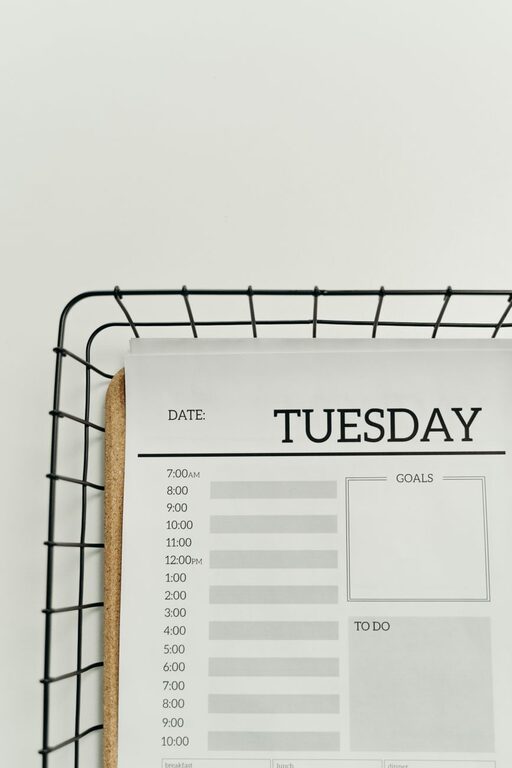
A weekly reset routine is a regular time to pause, review the past week, and prepare for the next one. It does not need to take an entire day or involve a long list of chores. The goal is to create a simple system that helps you feel organized, focused, and ready for what is ahead.
The best routine is one you can repeat. By choosing a few useful tasks and giving them a clear order, you can reduce last-minute stress and make your weeks easier to manage.
What Is a Weekly Reset Routine?
A weekly reset is a short planning and organizing session that usually takes place once a week. Many people choose Sunday, but any day can work. The important thing is to select a time that fits your schedule.
A reset routine may include:
– Reviewing the previous week
– Checking your calendar
– Choosing priorities
– Tidying important areas
– Planning meals or errands
– Preparing clothes, supplies, or work materials
– Making time for rest and enjoyable activities
Think of the routine as a bridge between one week and the next. It gives you a chance to clear unfinished tasks, notice what needs attention, and begin again with a realistic plan.
Start With a Quick Review
Before planning the new week, take a few minutes to look back. This does not need to be a detailed journal exercise. A simple review can help you understand what worked and what made the previous week difficult.
Ask yourself:
– What went well?
– What felt stressful or rushed?
– Which tasks are still unfinished?
– Did I spend time on the things that mattered most?
– Is there anything I should do differently next week?
Write down a few notes if that helps. Avoid turning the review into self-criticism. The purpose is to gather useful information, not to judge yourself. For example, if several tasks were delayed because your schedule was too full, that may be a sign to plan fewer priorities next week.
Check Your Calendar First
Your calendar should be the foundation of your weekly plan. Review appointments, meetings, deadlines, travel time, family commitments, and other fixed events.
Look for:
– Busy days that may require extra preparation
– Open blocks of time for important work
– Deadlines that need an earlier start
– Events that require supplies or special arrangements
– Conflicts or double bookings
Once you understand your fixed commitments, you can plan flexible tasks around them. This prevents you from creating a plan that looks good on paper but does not fit your actual week.
It can also help to estimate how much energy different days will require. A day with several meetings may not be the best time for a large organizing project. Save demanding tasks for periods when you have enough time and attention.
Choose Three Main Priorities
A long task list can make the week feel overwhelming. Instead, choose up to three main priorities. These should be meaningful tasks or outcomes that you would like to complete by the end of the week.
Your priorities might include:
– Completing an important project
– Organizing a specific room
– Preparing for an upcoming event
– Making progress on a personal goal
– Finishing several small tasks that have been delayed
Keep your priorities specific and realistic. “Get organized” is vague, while “sort the paperwork on my desk” gives you a clear action. If a priority is large, divide it into smaller steps and schedule the first step during the week.
Your priorities are not the only things you will do. They simply help you decide what deserves attention when your time is limited.
Create a Simple Task List
After choosing your priorities, make a short list of supporting tasks. Separate tasks into categories such as work, home, personal, and errands. This makes the list easier to scan and helps you group similar activities together.
Try using three levels:
Must Do
These tasks have a deadline or a clear consequence if they are postponed.
Should Do
These tasks are useful and important but may be moved if the week becomes busy.
Could Do
These tasks would be helpful if you have extra time, but they are not essential.
This approach keeps your plan flexible. A weekly reset should give you direction, not create pressure to complete every possible task.
Reset Your Space
A small amount of tidying can make the start of the week feel more manageable. Focus on the areas you use most rather than trying to clean your entire home.
You could:
– Clear your desk or workspace
– Put away items left in common areas
– Empty the trash
– Wash or put away dishes
– Review items in your entryway
– Prepare a bag, work area, or study space
– Return frequently used items to their proper places
Set a timer for 15 to 30 minutes so this part of the reset stays contained. The goal is not perfection. A clear, functional space is enough.
You may also want to reset digital spaces. Delete unnecessary files, close old browser tabs, organize your downloads folder, or review your email inbox. Choose only one or two digital tasks so they do not take over the routine.
Plan Meals and Basic Errands
A little preparation can reduce daily decisions during the week. You do not need to create a complicated meal plan. Choose a few easy meals, identify needed ingredients, and note any errands that can be combined.
Consider planning:
– Two or three main meals
– Simple breakfast options
– Easy snacks
– Items that need to be used soon
– Grocery or household supplies
– Errands that can be completed along the same route
Leave room for flexibility. Plans may change, and not every meal needs to be prepared in advance. The purpose is to make busy days easier, not to create another strict schedule.
Prepare for the First Day
One of the most useful parts of a weekly reset is preparing for the next day. Decide what would make your first morning smoother and complete those tasks in advance.
You might:
– Choose an outfit
– Pack a bag
– Prepare lunch or snacks
– Set out items for a morning routine
– Review the first appointment or task
– Write down the first action for an important project
This small amount of preparation can help you begin with less decision-making. It also creates a clear starting point, which is often more helpful than trying to plan the entire week in detail.
Include Rest and Personal Time
A complete weekly plan should include time for rest, hobbies, social activities, and quiet moments. If you schedule only work and chores, the week may quickly become exhausting and unbalanced.
Review your calendar and protect some open time. This could be an evening without plans, time outdoors, a creative activity, or a relaxed meal. Treat this time as a valid part of your schedule rather than something you can use only after every task is finished.
Rest does not have to be complicated. The key is to recognize that recovery and enjoyment belong in a realistic weekly plan.
Keep the Routine Short and Repeatable
When designing your reset, begin with a routine that takes 30 to 60 minutes. You can always expand it later, but a short routine is easier to maintain.
A basic reset might look like this:
- Review the past week for five minutes.
- Check the calendar for ten minutes.
- Choose three priorities for five minutes.
- Create a task list for ten minutes.
- Tidy one key area for 15 minutes.
- Prepare for the next day for five minutes.
Test the routine for several weeks and adjust it. Remove steps that do not help, shorten tasks that take too long, and add anything that consistently makes your week easier.
Make Your Weekly Reset Your Own
There is no single correct way to plan a weekly reset. Some people prefer paper and a pen, while others use a calendar app or a simple notes document. Some enjoy doing the routine in the morning, while others prefer a quiet evening.
Focus on the results:
– You know what is coming
– Your main priorities are clear
– Important tasks have a place in your schedule
– Your key spaces are ready
– You have included time for rest
A weekly reset works best when it is practical, flexible, and easy to repeat. Start with a few useful actions, learn from each week, and make small improvements over time. With consistency, this simple routine can help you move into each new week with more clarity and control.