
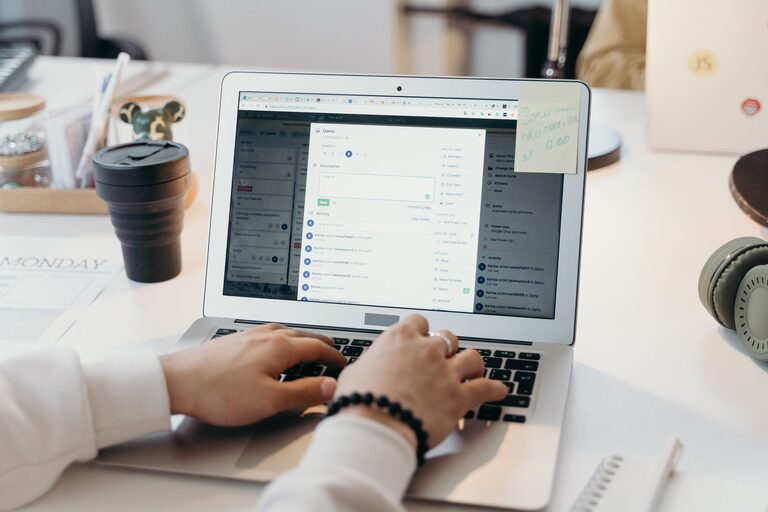
Email is useful, but an overflowing inbox can quickly become stressful. Unread messages, newsletters, reminders, and long conversations can make it difficult to find what matters. The good news is that you do not need a complicated system to regain control.
A few clear rules and consistent habits can make your inbox easier to manage. The goal is not to answer every message immediately. It is to create a system that helps you see important emails, make decisions quickly, and prevent unnecessary messages from building up.
Start with a simple inbox review
Before changing your email habits, take a quick look at what is currently in your inbox. You may find that many messages no longer require action.
Set aside a short block of time to review your inbox and group messages into a few basic categories:
– Needs a reply
– Needs action later
– Waiting for someone else
– Useful for reference
– No longer needed
Avoid trying to solve every email at once. Begin with the newest messages or the senders that appear most often. Delete unwanted messages, archive emails you may need later, and mark important conversations for follow-up.
If your inbox is very full, focus on recent messages first. Older emails can be handled gradually. A clean inbox is helpful, but creating a sustainable routine is more important than reaching “inbox zero.”
Use folders, labels, and stars carefully
Most email services offer folders, labels, flags, or stars. These tools can help you organize messages, but too many categories may create more work.
Choose a small number of useful labels. For example:
– Action
– Follow Up
– Reference
– Personal
– Receipts
Use labels to support decisions, not to catalog every detail. If you create dozens of folders, you may spend more time deciding where messages belong than dealing with them.
A useful approach is to keep your inbox for messages that still need attention. Once an email has been handled, archive it or move it to a suitable folder. This makes the inbox easier to scan and reduces visual clutter.
Process emails in batches
Checking email every few minutes can interrupt your focus. Instead, choose specific times to review messages. The right schedule depends on your responsibilities, but many people can start with two or three email sessions each day.
For example, you might check your inbox:
– At the beginning of the workday
– Around midday
– Before finishing for the day
During each session, work through messages from top to bottom. Try not to open the same email repeatedly without making a decision. Every message should lead to a clear next step.
If your role requires quick responses, you may need to check email more often. Even then, setting aside focused periods can help you avoid constant interruptions.
Follow the quick decision rule
When you open an email, decide what to do with it. A simple system is to choose one of these actions:
- Delete it if it is not useful.
- Archive it if no action is needed.
- Reply if the response will take only a few minutes.
- Add a reminder if it requires more time.
- Forward it if someone else should handle it.
This approach prevents emails from sitting in your inbox without a clear purpose. If a response will take longer, write a short note about the next step and schedule time to complete it.
Do not feel pressured to write a long reply to every message. A clear, friendly response is often enough. If a topic needs a detailed discussion, suggest a call or another suitable way to communicate.
Create a follow-up system
Some emails cannot be completed immediately. You may be waiting for information, need to review a document, or have to complete a task later in the week.
Instead of leaving these messages scattered throughout your inbox, use one reliable follow-up system. You could:
– Add a calendar reminder
– Create a task with a due date
– Use a Follow Up label
– Star the message and review it at a set time
Choose one method and use it consistently. A follow-up system is only useful when you check it regularly. Add a short review to your daily or weekly routine so that unfinished items do not disappear.
Reduce unnecessary email
The easiest email to manage is the email you never receive. Take a few minutes to reduce unwanted messages.
Start by unsubscribing from newsletters, store promotions, and updates you no longer read. Many marketing emails include an unsubscribe link at the bottom. You can also use your email provider’s unsubscribe or filtering tools.
Ask yourself:
– Do I read this message?
– Is it still useful?
– Can I get this information somewhere else?
– Do I need these updates as often as they arrive?
Be careful with messages that may contain important account notices, receipts, or service updates. Before unsubscribing, confirm that you will not miss information you need.
Use filters for routine messages
Filters can automatically sort certain emails as they arrive. They are especially helpful for messages that do not require immediate attention, such as receipts, automated notifications, or regular reports.
You might create filters that:
– Move receipts into a Receipts folder
– Mark newsletters as read
– Send alerts to a Notifications folder
– Highlight messages from key contacts
– Apply a label to project-related email
Set up filters gradually and review them occasionally. A filter that seemed useful months ago may no longer match your needs. Also, avoid sending important messages directly out of sight until you are confident the filter works correctly.
Write clearer emails
Good email habits are not only about managing incoming messages. The way you write can also reduce future email.
When sending a message, make the purpose clear in the subject line. Use short paragraphs and place important information near the beginning. If you need an answer, ask a specific question and include a preferred deadline when appropriate.
You can also reduce back-and-forth messages by including:
– The necessary background
– Relevant dates
– Helpful links or files
– The decision that needs to be made
– The next step
Before adding recipients, consider who truly needs the information. Fewer unnecessary recipients usually means fewer replies and less clutter for everyone.
Protect your focused time
Email can easily expand into every part of the day. Protect time for tasks that require concentration by turning off nonessential notifications. If you are working on an important project, close your email application or pause alerts for a short period.
Let colleagues or contacts know when you are available for urgent matters and which communication method to use. Not every message needs an immediate response.
You can also add a short note to your email signature explaining your usual response time. This sets a realistic expectation and reduces pressure to reply instantly.
Build a routine that lasts
The best email system is one you can maintain. Keep it simple, review it regularly, and adjust it when your responsibilities change.
A practical daily routine might look like this:
- Review new messages during a scheduled email session.
- Delete or archive anything that needs no action.
- Reply to quick questions.
- Add tasks and reminders for longer requests.
- Clear completed messages from the inbox.
- Review follow-ups before ending the day.
Once a week, unsubscribe from unwanted updates, review filters, and check for unfinished conversations. These small maintenance steps can prevent email from becoming overwhelming again.
Managing email is less about speed and more about making deliberate decisions. With a few clear categories, scheduled review times, and a reliable follow-up method, you can keep your inbox useful, organized, and under control.